 JOSH MURZELLO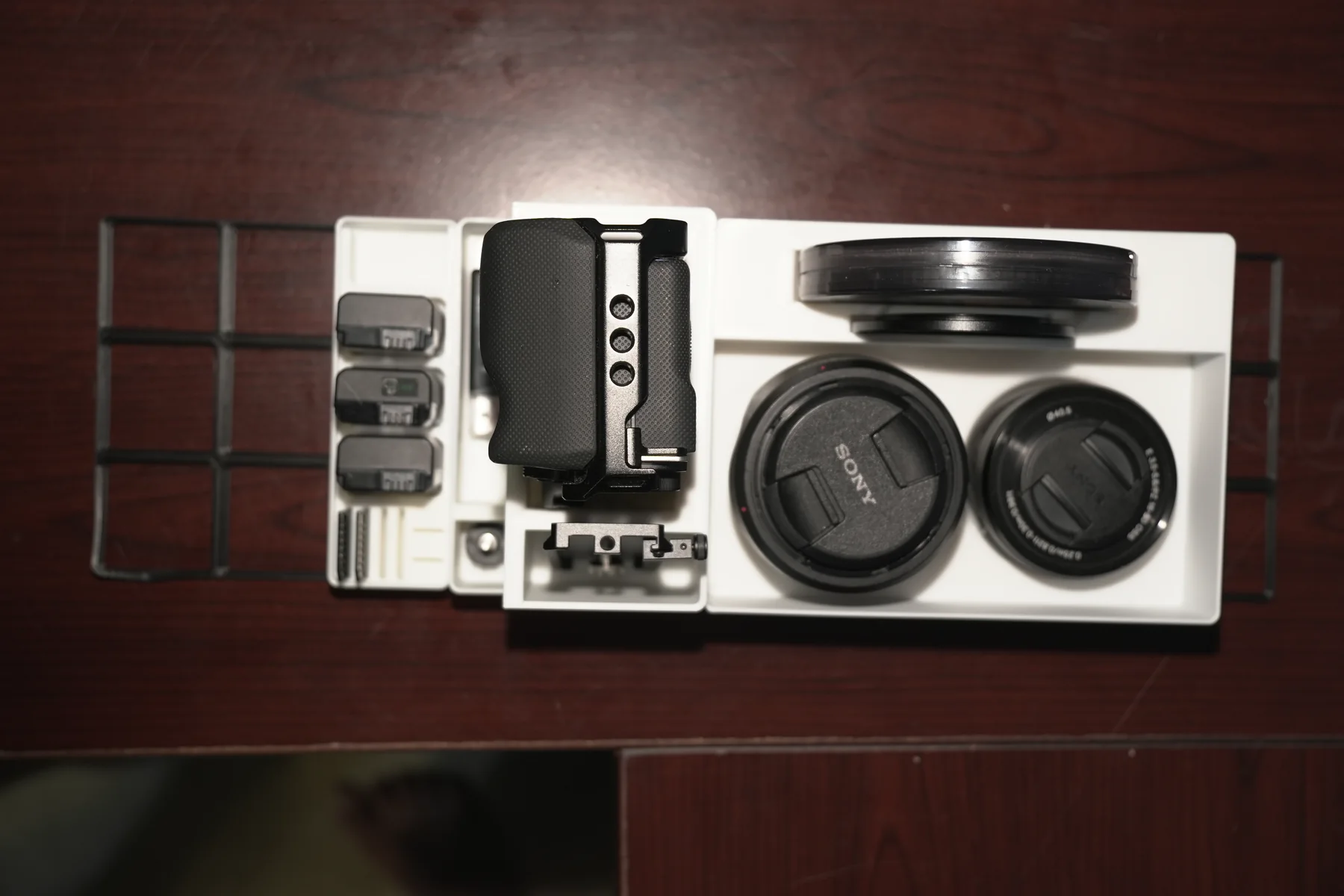
Why this series matters
I treat 3D printing as a fast product lab. The interesting part is not only the print itself. It is the loop between problem, geometry, first version, feedback, and the next version that gets sharper. These objects come from noticing friction in ordinary life and deciding it should be fixed with something specific instead of a generic workaround.
What the workflow looks like
- Find a real use case with clear constraints.
- Model the first version quickly in CAD.
- Print early, evaluate fit and failure modes, then adjust.
- Keep simplifying until the form feels obvious and the part earns repeat use.
Proof artifacts
Iteration photos
Show first print, fit issue, revised geometry, and final product shot for the highest-signal objects.
Print specs
List material, layer height, support strategy, orientation, print time, and the failure mode each setting avoids.
Distribution path
Connect the finished product cards to MakerWorld, STL Drops, or a downloadable file once licensing and notes are ready.
What I’m optimizing for
Good prints are not just printable. They are easy to understand, easy to live with, and honest about what 3D printing is best at: speed, customization, and tight problem fit. The series helped sharpen my product instincts around ergonomics, assembly, print orientation, visible surfaces, and how small details change whether an object feels intentional.